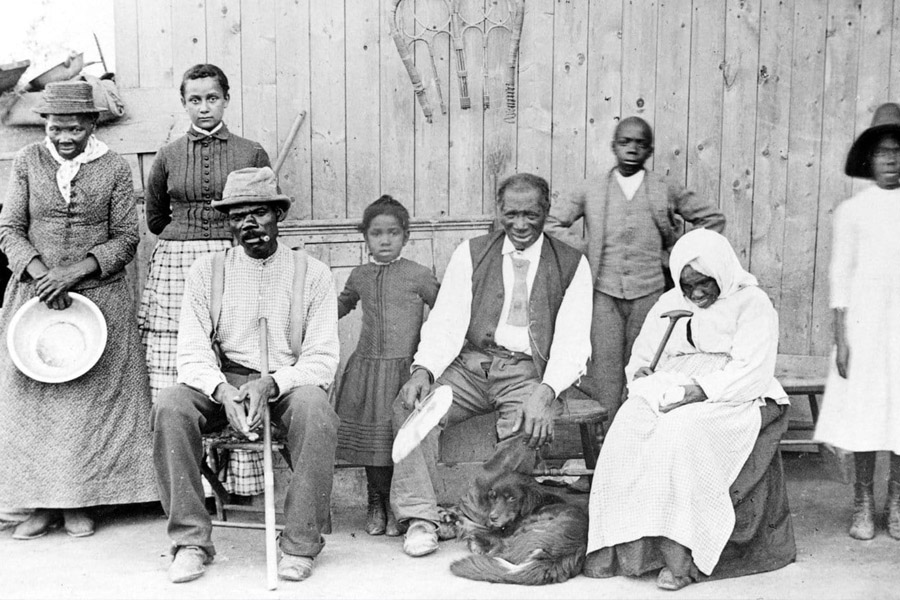
Basic Information
| Field | Detail |
|---|---|
| Full name (as recorded) | Mariah Ritty Ross |
| Also referenced as | Mariah Ritty; Mary (in some family lists) |
| Born | circa 1811, Dorchester County, Maryland |
| Parents | Benjamin “Ben” Ross (father) — a woodsman/foreman; Harriet “Rit” (Greene) Ross (mother) — domestic worker |
| Status in surviving records | Enslaved member of the Ross household; sold away from the family |
| Notable fact | Recorded as one of the Ross children who was separated from the family and thereafter disappears from the documentary trail |
| Net worth / property | No records — as an enslaved person, no legal ownership of assets is documented |
I’ll say this plainly: Mariah Ritty Ross reads like a brief, bright line that a long history book cut away — a presence that appears in the margins and then vanishes. I spent time with the facts we have: the name, the family roster, the year that sits like a whisper — about 1811 — and the hard sentence that follows it: sold away. That’s the pivot. That’s where most of the story is swallowed.
The family at a glance — names, roles, a household of nine
The Ross household — Ben and Rit and their children — is often listed as having nine offspring in family accounts. Those names matter because they create context: sibling bonds, shared labor, and the sharp rupture when some were parceled off. Here’s a compact roll call.
| Sibling | Short introduction |
|---|---|
| Linah (Linah Ross / Jolly) | Eldest sister — listed among the children and believed to have been sold/separated. |
| Mariah Ritty Ross | Born c.1811 — older sister of Harriet; sold away and not heard from in surviving family records. |
| Soph (Soph Ross) | Sister — also listed as having been sold and separated from the family. |
| Robert | Brother — appears in later family listings. |
| Araminta / Harriet (Minty) Tubman | Sister — escaped slavery; became an Underground Railroad conductor and activist. |
| Ben (younger son) | Brother — appears in family lists as a younger child. |
| Rachel | Sister — part of the family grouping in historical accounts. |
| Henry | Brother — appears in family narratives and escapes/attempts are mentioned in family lore. |
| Moses | Youngest brother in some accounts — lesser-documented fate. |
Nine names. One household. Several separations — and then silence for some.
Dates, numbers, and the ledger of absence
Numbers do a peculiar work here: they can mark presence and also track absence. Consider the arithmetic of family loss.
- c.1811 — Mariah Ritty Ross is born (approximate).
- 9 — the number of children commonly listed for Ben and Rit Ross.
- 1820s–1830s (approx.) — period when several Ross daughters are believed to have been sold away, after which Mariah’s trail goes cold.
- 0 — number of documented later-life records (owner, marriage, children, death) for Mariah in the accessible genealogical trail.
That last zero is loud. It’s a kind of reverse census — the record of absence that historians confront when trying to piece together the lives of people who were sold away and lost to the archives.
What “sold away” means — a human sentence
To be “sold away” is not a footnote: it is a rupture whose effects ripple for generations. For Mariah, the phrase in the records is the end of the public ledger. No wages, no property, no legal recognition — just movement across a ledger line: owner-to-owner, rail-to-rail, auction-to-auction. Imagine a favorite photograph ripped from the album and the family left with only the faint crease where it once lived.
Career, daily life, and net worth — the things the record cannot show
There is no traditional “career” to attach to Mariah because the social and legal realities of enslavement removed those possibilities. The record does make clear that she was part of a domestic/working household — and then she was sold. Net worth? There is none recorded in her name. The arithmetic of enslavement is ugly and simple: people were treated as property on paper, yet they could not own property themselves. So where we would usually place bank accounts, assets, or career highlights, the ledger is blank.
The modern echo — memory, commemoration, and the long tail of a name
In today’s world, Mariah’s name appears in genealogies, family lists, and commemorative write-ups — the kind of material that creates a cultural echo. People write about “the lost sisters” and the narrative becomes a motif: siblings severed, an elder sister who disappears from the family story, a younger sister who becomes a public figure (Harriet), and the stark contrast between a life that surfaces again and one that recedes into history. These modern mentions are acts of remembrance — small attempts to restore a life to the light.
A personal note — why I tell this story in the first person
I tell this as someone standing in front of both a ledger and a silenced mouth — both speak, but in different ways. I assemble the names, the years (or the lack of them), the family math. I imagine the Ross household as a stage: labor and small joys, the scrape of wood on winter mornings, the whispered plans of escape, and then the abrupt curtain for those sold away. It reads like a scene from a historical film — think of the quiet cruelty that a period drama lingers on — and yet these are real people who left traces smaller than the margins they deserve.
FAQ
Who was Mariah Ritty Ross?
Mariah Ritty Ross was an eldest sister in the Ross household, born around 1811, who was recorded as having been sold away from her family and thereafter disappears from surviving public records.
What happened to Mariah after she was sold?
The documentary trail ends after her sale — there are no reliable records that document her owner, location, later life, or death.
Who were her parents?
Her parents were Benjamin “Ben” Ross (a woodsman/foreman) and Harriet “Rit” (Greene) Ross (a domestic worker).
How many siblings did she have?
Contemporary family accounts list nine children born to Ben and Rit Ross, including Harriet (Araminta), Linah, Soph, Robert, Ben, Rachel, Henry, Moses, and Mariah.
Did Mariah have children or a recorded net worth?
There are no records of children, property, or any personal wealth in her name; as an enslaved person she did not have legally documented assets.
Is Mariah mentioned in modern media or genealogy sites?
Yes — modern genealogies, memorial pages, and commemorative write-ups often mention her as one of the Ross daughters who was separated from the family and “lost” to the documentary record.
Making Westfield Cleanup Less Chaotic With The Right Dumpster
A Fresh Look At California Luxury Rehabilitation
How To Turn A Boring Sale Into A Video People Actually Watch
Park City Comes Alive Through Art Music And Mountain Culture